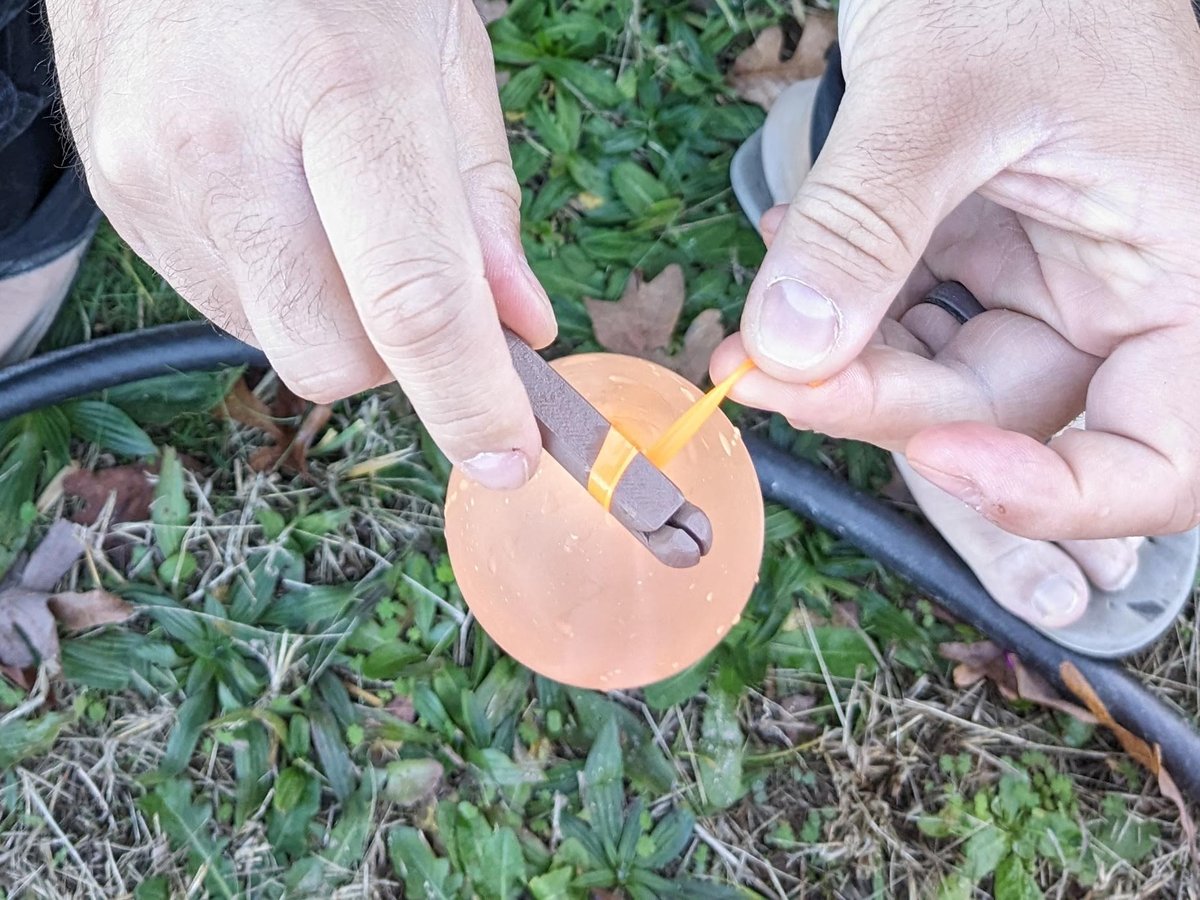
Tying balloons is one of those tasks that seems simple until you're faced with a hundred of them, fingers aching, and a party looming. The age-old debate of Manual vs. Tool Balloon Tying: A Comparison isn't just about efficiency; it's about comfort, consistency, and ultimately, whether you want to enjoy the process or dread it.
We've all been there, fumbling with a latex neck, trying to secure a knot that doesn't immediately deflate. For decades, it was simply "the way it's done." But innovation, even in the simplest of tasks, often brings welcome relief. Enter the balloon tying tool – a device promising to transform your balloon-decorating experience. So, which method truly reigns supreme? Is one objectively easier or faster? Let's untangle the knots.
At a Glance: Manual vs. Tool Tying
- Manual Tying: The traditional, hand-on method. Free, always available (if you have hands), but can be slow and hard on fingers for many balloons.
- Tool Tying: Uses a device to assist with knot formation. Faster and gentler on hands, especially for large quantities, but requires an initial purchase and a little practice.
- Best for Small Jobs: Manual tying.
- Best for Large Jobs/Events: Tool tying (especially electric).
- Finger Strain: Manual can cause significant strain; tools greatly reduce it.
- Knot Consistency: Manual varies; tools offer highly consistent knots.
- Learning Curve: Manual is intuitive but harder to master for speed/consistency; tools require a quick learning curve but then offer fast, consistent results.
The Classic Approach: Mastering Manual Balloon Tying
Before diving into the marvels of modern tools, it's essential to understand the foundation: manual balloon tying. This is where most of us start, driven by necessity or the simple fact that a tool isn't always at hand.
Manual tying involves skillfully manipulating the balloon's neck with your fingers to form a secure knot. It's a rite of passage for anyone planning a birthday party, baby shower, or festive gathering. The basic technique involves wrapping the stretched neck of the inflated balloon around two fingers (typically the index and middle finger), creating a loop, and then pulling the end of the neck through that loop to form a knot.
Why Stick with Manual Tying?
Even with tools readily available, manual tying holds its own in specific scenarios:
- Zero Cost: The most obvious benefit. All you need are your hands.
- Always Accessible: No forgotten tools, no dead batteries, no searching through drawers. Your fingers are always ready.
- Ultimate Flexibility: Manual tying works for virtually any shape, size, or type of balloon, provided you have enough neck to work with (though foil balloons often require specific sealing methods, not just tying).
- Small Batches: If you only need to tie a handful of balloons, the effort of getting a tool out and setting it up often outweighs the benefit.
The Downsides of Hand-Tying a Hundred Balloons
The charm of manual tying quickly fades when you move beyond a dozen balloons. Here's where the traditional method can really let you down:
- Finger Fatigue and Pain: This is the big one. Stretching and knotting latex repeatedly puts immense strain on your fingertips, often leading to soreness, redness, and even blisters. It can quickly turn a fun activity into a chore.
- Inconsistent Knots: Achieving perfectly uniform, tight knots manually is an art form. Beginners often struggle with loose knots that leak air, or overly tight ones that risk popping the balloon. This inconsistency can affect the overall look of your balloon decorations.
- Time-Consuming: Each knot takes precious seconds. When you multiply that by dozens or hundreds of balloons, the time adds up significantly, especially if you're planning a large event or a professional decorator.
- Skill-Dependent: While simple in concept, mastering manual tying for speed and consistency takes practice. Not everyone has the dexterity or patience for it.
The Modern Solution: Enter the Balloon Tying Tool
Recognizing the widespread pain points of manual tying, innovators developed a range of tools to simplify and speed up the process. A balloon tying tool is a portable device designed to efficiently tie balloon knots, reducing time and finger strain. Most tools operate by gripping the balloon neck, allowing you to easily form and secure the knot.
The primary goal? To make balloon decorating accessible and enjoyable, even for high-volume tasks.
How Do These Clever Gadgets Work?
While specific designs vary, most balloon tying tools follow a similar principle: they provide a stable point around which to wrap the balloon neck, creating the necessary loop for knot formation without the strain on your fingers. You inflate the balloon, insert its neck into the tool's grip or slot, then activate the knotting mechanism (often a squeeze, twist, or lever press).
These tools are primarily designed for standard latex balloons (9-12 inches, with 11 inches being a common target), and may accommodate smaller 5-inch or larger 16-inch balloons, though performance can vary. It’s crucial to note that they are generally not suitable for foil/metallic balloons, which often require hand tying, specific devices, or self-sealing/heat sealing. Water balloons are also incompatible.
Key Benefits of Using a Tying Tool
The advantages of switching to a tool are compelling, especially for anyone dealing with more than a casual handful of balloons:
- Blazing Speed and Efficiency: Tools significantly cut down tying time, making them indispensable for large quantities. What might take minutes by hand can be done in seconds with a tool.
- Consistently Perfect Knots: Say goodbye to saggy, leaky balloons. Tools help you achieve uniform, secure knots every single time, giving your arrangements a professional, polished look.
- Zero Hand Strain: This is perhaps the biggest draw. Tools alleviate sore fingers, blisters, and general fatigue, even during extended tying sessions. Your hands will thank you.
- Broad Accessibility: Tools level the playing field. They make balloon tying easy for everyone, from beginners to seasoned decorators, and are particularly helpful for those with dexterity issues.
- Enhanced Versatility (with caveats): While not all tools work for all different types of balloons, many are designed to handle a range of common latex sizes. Always check compatibility for specific needs.
Diving Deeper: Types of Balloon Tying Tools
Not all tools are created equal. Depending on your needs, budget, and desired level of automation, you have a few excellent options:
1. Manual Tying Tools (Handheld)
This is the most common and accessible type of tool. Often made of plastic, these handheld devices feature a slot, hook, or small lever mechanism.
- Pros:
- Affordable: Usually very inexpensive, making them a great entry point.
- Portable: Small, lightweight, and easy to carry to any event.
- Easy to Learn: Most people can get the hang of it within a few tries.
- Reduced Strain: Far better than bare fingers, especially for moderate volumes.
- Cons:
- Still Requires Dexterity: While reducing strain, you still need some manual input to wrap and pull the balloon neck.
- Can Cause Slight Strain Over Time: For extremely large quantities, even manual tools might still lead to a bit of fatigue, though significantly less than hand-tying.
How to Use a Manual Tying Tool Effectively:
- Inflate Your Balloon: Ensure the balloon is inflated to the desired size, leaving a sufficient neck (at least 2-3 inches) for tying. Without enough neck, even a tool will struggle.
- Grasp the Neck: Hold the balloon's neck firmly with your non-dominant hand.
- Insert into Tool: Insert the balloon neck into the tool's slot or around its hook. Some tools have a specific channel; others require you to wrap the neck around a central prong.
- Wrap the Neck: Wrap the balloon neck around the tool's mechanism. This typically involves one full rotation, or following specific grooves on the tool.
- Form the Knot: Pull the end of the neck through the slot or off the hook, creating a tight loop that forms the knot.
- Tighten & Remove: Gently pull the knot tight for a secure seal. Remove the tied balloon from the tool. If the excess neck is too long, you can trim it with scissors.
2. Electric Tying Machines
For the serious decorator or event planner, electric machines take automation to the next level. These are often integrated with balloon inflators.
- Pros:
- Extremely Fast: Tie balloons at lightning speed, making them ideal for high-volume, professional use.
- Ultimate Efficiency: Perfect for large events where hundreds or thousands of balloons are needed quickly.
- Minimal Effort: Virtually no manual dexterity or strength required for tying.
- Cons:
- More Expensive: A significant investment compared to manual tools.
- Less Portable: Larger and heavier, requiring a power source. Not something you toss in your bag.
- Specialized Use: Generally overkill for casual home use.
3. Finger Ring Tools
These small, clever tools are worn directly on your finger, acting as an extension to assist with grip and knot formation.
- Pros:
- Enhanced Grip: Provides better control for intricate designs or specific knotting styles.
- Small & Portable: Discreet and easy to carry.
- Maintains Manual Feel: Offers a bridge between fully manual and fully tool-assisted tying.
- Cons:
- Requires Practice: Takes a bit more time to master compared to simpler handheld tools.
- Not as Fast: While faster than bare-finger tying, generally not as quick as dedicated manual tying tools or electric machines.
- Limited Sizing: May be more restrictive regarding the range of balloon sizes it can comfortably handle.
Choosing Your Champion: Manual vs. Tool for Your Needs
Deciding between manual and tool-assisted tying boils down to a few key considerations:
- Volume of Balloons:
- A few (1-10): Manual tying is perfectly fine.
- Dozens (10-50): A manual tying tool is a game-changer for comfort and consistency.
- Hundreds (50+): An electric tying machine or at least a robust manual tool is highly recommended.
- Time Constraints:
- If time is tight, a tool (especially electric) will drastically cut down your setup time.
- Budget:
- Manual tying is free. Manual tools are cheap. Electric machines are an investment.
- Dexterity/Physical Comfort:
- If you have arthritis, carpal tunnel, or simply don't want sore fingers, a tool is a non-negotiable.
- Type of Event:
- A casual family gathering might not warrant an electric machine, but a corporate event or wedding surely would benefit from the speed and professionalism tools provide.
Avoiding Common Pitfalls: Master the Art of the Knot
Regardless of your chosen method, certain mistakes can sabotage your efforts. Being aware of these can save you time, balloons, and frustration:
- Over-inflating Balloons: Inflating a balloon beyond its recommended size creates excessive tension, making the neck difficult to tie and increasing the risk of popping. Ensure you're following proper inflation techniques.
- Insufficient Balloon Neck: Always leave enough neck material (a good 2-3 inches minimum) for a comfortable knot. A stubby neck is nearly impossible to tie securely, whether by hand or with a tool.
- Not Tightening Knots Enough: A loose knot is a leaky knot. Always gently pull the knot tight after formation to ensure an airtight seal. You should feel a slight resistance but not so much that it deforms the balloon.
- Using the Wrong Tool for the Balloon: As mentioned, most tools are for latex balloons. Trying to force a foil balloon or a water balloon into a standard tying tool won't work and could damage the balloon or the tool. If a balloon feels tight, do not force it.
- Rushing the Process: Especially when learning a new tool, rushing can lead to improperly tied balloons, popped balloons, or even minor finger pinches. Take your time, practice, and build up speed naturally.
Keeping Your Tools in Top Shape (and Your Fingers Safe)
Just like any helpful gadget, balloon tying tools benefit from a little care and attention.
Maintenance Tips:
- Clean Regularly: After use, particularly with latex balloons, residue can build up. Wipe your tool with a damp cloth to remove any latex or dust. Avoid soaking or using harsh chemical cleaners, as these can degrade plastic or lubricants.
- Lubricate Moving Parts: For models with hinges, springs, or other moving components, apply a light, manufacturer-approved lubricant periodically if instructed. This keeps the mechanism smooth and prevents seizing.
- Store Properly: Keep your tool in a cool, dry place, away from direct sunlight, which can cause plastic to become brittle over time. A small pouch or designated drawer works well.
- Inspect for Wear: Periodically check your tool for any signs of wear, cracks, or loose parts. A damaged tool can be less effective or even unsafe. Replace it if needed. For electric machines, always refer to the manufacturer’s specific guidelines for maintenance and storage.
Safety First:
- Supervise Children: If children or beginners are using the tool, ensure they are supervised. Choose models with simple levers and no sharp edges. Have younger kids practice on uninflated balloons first.
- Mind Your Fingers: Always be mindful of where your fingers are, especially with tools that have squeezing or moving parts. Avoid placing fingers near activation points.
- No Excessive Force: There should be no need to pull or push with extreme force. If the balloon isn't tying easily, re-evaluate your technique or the balloon's condition (e.g., insufficient neck). Forcing it can lead to damage or injury.
Elevating Your Balloon Game: Advanced Techniques
Once you've mastered the basics, whether manual or tool-assisted, you can explore techniques that add extra flair and security to your creations:
- Double Knotting: For critical installations or balloons exposed to fluctuating temperatures, a double knot provides extra security against air leakage. This is easier to do consistently with a tool once you've done the first knot.
- Experiment with Grips: If using a manual tool, try different ways of holding it or positioning your hand. Comfort and efficiency are highly personal, so find what works best for you.
- Combine Tools: For ultimate efficiency, pair your balloon tying tool with an electric balloon pump. Inflate, tie, repeat – in a seamless, high-speed flow. This is where professional decorators truly shine, especially with an electric balloon tying machine.
You can find balloon tying tools widely available at party supply stores, craft stores, and online retailers. Don't let sore fingers deter you from creating joyous, festive atmospheres.
Ready to Tie Smarter, Not Harder?
Whether you're a casual party planner or a seasoned decorator, understanding the nuances of manual vs. tool balloon tying can significantly impact your experience. While manual tying offers cost-free simplicity for small tasks, the benefits of a dedicated tool – speed, consistency, and blessed relief for your fingers – become undeniable for larger volumes.
Don't let the thought of tying dozens of balloons deflate your enthusiasm. With the right approach and perhaps a clever little gadget, you can transform a tedious chore into a smooth, enjoyable part of your event preparation. Your hands, and your perfectly knotted balloons, will thank you.
To explore the diverse world of balloon accessories and find the perfect knotting assistant for your next event, be sure to check out our comprehensive guide on Learn more about balloon tying tools.