Imagine hosting a party where guests walk into a wonderland of vibrant, custom-made balloon decor. Picture elegant arches framing an entrance, whimsical garlands cascading down a wall, or stunning centerpieces that scream "celebration." For years, the idea of creating these professional-looking displays yourself felt out of reach, often associated with tangled fingers, painful knots, and a whole lot of frustration. But what if there was a simple, affordable tool that could transform your DIY balloon decor projects with a tying tool from a daunting task into a genuinely enjoyable, pain-free experience? Good news: there is. And mastering it is far easier than you think.
Forget sore fingertips and awkward fumbling. This guide will walk you through everything you need to know about using a balloon tying tool, empowering you to craft beautiful balloon installations with speed, precision, and — most importantly — joy.
At a Glance: Your Quick Start to Balloon Tying Tool Mastery
- Pain-Free Tying: Say goodbye to finger strain and blisters when tying dozens of balloons.
- Speed & Efficiency: Tie balloons much faster, making large-scale decor projects manageable.
- Consistency: Achieve uniform, tight knots every time, crucial for durable balloon designs.
- Simple Technique: The tool's design makes tying accessible for everyone, regardless of hand strength or dexterity.
- Versatile Use: Perfect for standard balloon knots and attaching balloons directly to ribbon for garlands.
- Essential Gear: A small, inexpensive plastic device that's a game-changer for any balloon enthusiast.
Why a Tying Tool Changes Everything for DIY Balloon Decor
Before the advent of the humble balloon tying tool, creating elaborate balloon displays was a test of endurance and manual dexterity. Anyone who's tried to tie 50, 100, or even 200 balloons by hand knows the drill: aching fingers, red marks, and sometimes even blisters. It's enough to deter even the most enthusiastic DIYer.
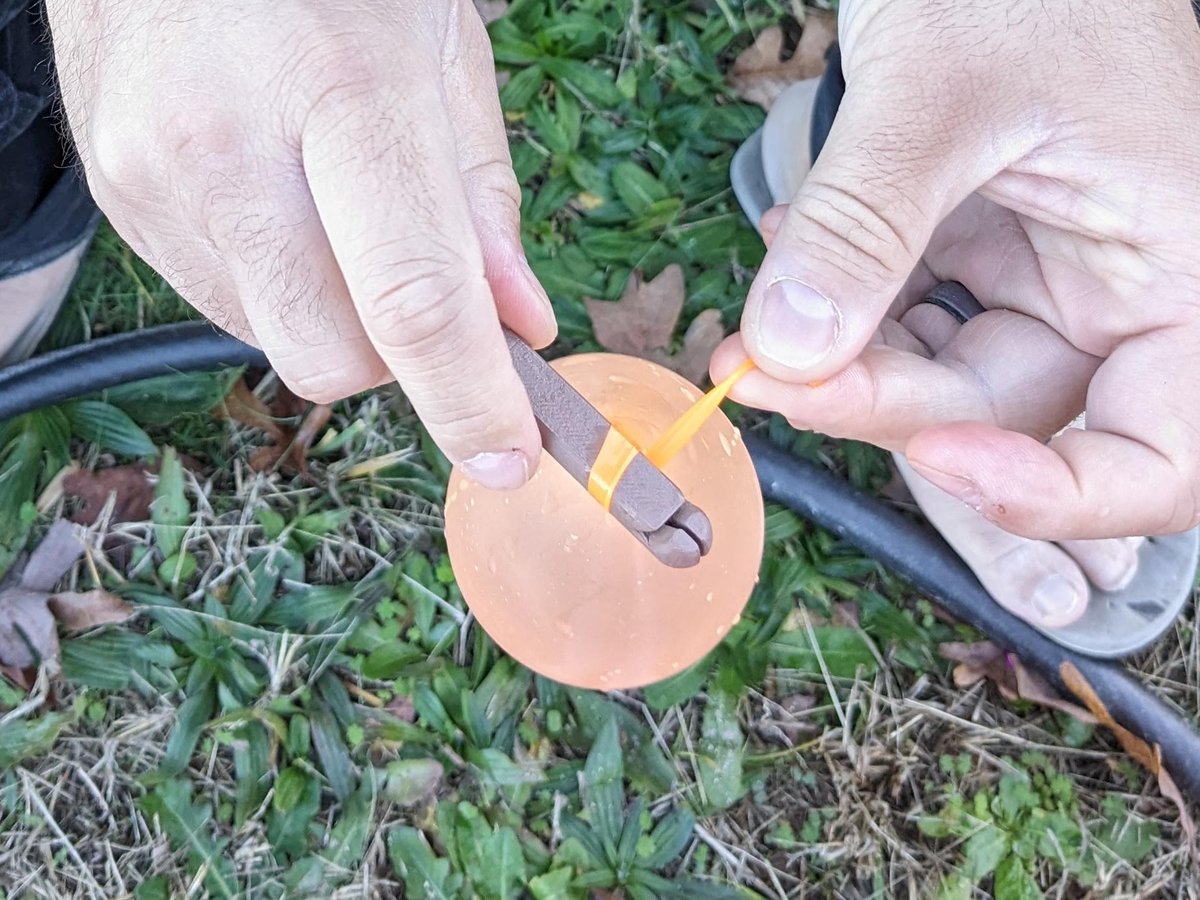
The balloon tying tool, typically a small, elongated plastic device with a specific "nose" or hook, was engineered to eliminate this struggle. It acts as an extension of your fingers, creating a stable point around which to wrap the balloon neck, forming a perfect knot with minimal effort. This simple innovation means you can tackle ambitious DIY balloon decor projects with a tying tool without the physical toll, dramatically speeding up your workflow and making the entire process far more enjoyable. It’s not just about comfort; it's about consistency, efficiency, and unlocking your creative potential without the pain barrier. For a deeper dive into choosing the right tool and its various features, you might want to check out Your complete balloon tying tool guide.
Getting Started: What You'll Need
Before you dive into tying, gather your supplies. Having everything within reach will make the process smooth and efficient.
- Balloons: Latex balloons are the most common type for decor projects, available in various sizes and colors.
- Balloon Pump (Electric or Manual): Essential for inflating balloons quickly and consistently. Trust us, don't try to blow up dozens by mouth!
- Balloon Tying Tool: Your new best friend.
- Ribbon or Monofilament Line: For creating garlands, arches, or other structures where balloons need to be secured in a line.
- Scissors: For cutting ribbon or other materials.
- Balloon Sizer (Optional but Recommended): A simple template with various holes to help you inflate balloons to uniform sizes, ensuring a professional look.
Mastering the Basics: How to Tie a Standard Balloon with the Tool
This is the foundational skill for any balloon decor project. Once you get the hang of it, you'll be tying balloons like a pro in no time.
- Position the Tool: Slide the tool onto the index and middle fingers of your non-dominant hand. The open side of the tool's "nose" (the curved, hook-like end) should face your fingertips and be positioned in your palm. Some people prefer to have the nose on the back of their hand; experiment to find what feels most comfortable and secure for you.
- Inflate Your Balloon: Using your pump, inflate the balloon to your desired size. Don't overinflate it, as this makes it harder to tie and more prone to popping.
- Pinch and Stretch: Pinch the neck of the inflated balloon close to the nozzle. Gently stretch the neck a bit—this makes the rubber more pliable for tying.
- Wrap Around the Nose: Wrap the stretched end of the balloon once tightly around the middle of the tool's nose. Ensure it's snug but not cutting into the rubber.
- Cross and Tuck: Take the very end of the balloon (the small tip after the wrapped section) and cross it over the wrapped part. Then, pass it underneath and through the tool's hollow middle. This creates the loop for your knot.
- Pull Off and Tighten: Carefully pull the balloon straight off the tool. As you do, pull on the balloon's end to tighten the knot firmly. You should have a neat, secure knot that won't unravel.
Quick Tip for Beginners: Don't Overthink It
The key is to let the tool do the work. The first few times might feel a bit awkward, but with practice, it becomes second nature. Focus on stretching the balloon neck just enough, and ensuring the initial wrap around the tool's nose is tight.
Elevating Your Decor: Tying Balloons onto Ribbon for Garlands & Arches
This technique is a game-changer for creating stunning balloon garlands, arches, and other structural decor pieces. Instead of tying individual balloons and then trying to attach them to a line, this method integrates the ribbon directly into the knot, saving you immense time and effort.
- Tool Placement (Slight Variation): Similar to standard tying, slide the tool onto the index and middle fingers of your non-dominant hand. This time, many find it more intuitive to have the nose in their palm with the open side facing their fingertips. Again, experiment with placing the nose on the back of your hand if that feels better.
- Inflate and Wrap: Inflate your balloon to the desired size. Pinch and stretch its end, then wrap it tightly around the tool's nose, just as you would for a standard knot.
- Secure the End: Your tying tool likely has a small slot or groove on its nose (either in the middle or near the base). Tuck the very end of the balloon into this slot. This holds the balloon in place, freeing up your hands for the next step.
- Feed the Ribbon: Take your ribbon (or monofilament line) and feed it into the open side of the tool. Crucially, ensure the ribbon goes underneath the stretched balloon section that's wrapped around the tool.
- Cross, Tuck, and Finish: Now, take the balloon end that's secured in the slot and cross it over the wrapped section and the ribbon. Tuck it into the hollow part of the tool's nose and feed it underneath the stretched section of the balloon and the ribbon. This action incorporates the ribbon directly into your knot.
- Slide Off and Tighten: Gently slide the balloon straight off the tool. Pull the balloon end tight to secure the ribbon firmly within the knot. The balloon is now securely attached to your ribbon, ready to be added to your garland or arch structure.
Practical Applications: Building Your Balloon Masterpiece
This "ribbon-integrated" tying method is fundamental for:
- Balloon Garlands: Create flowing, organic garlands by simply sliding tied balloons along a long piece of ribbon.
- Balloon Arches: Construct impressive arches by attaching balloons to a sturdy frame using this technique, or by building freestanding arches from interconnected garlands.
- Hanging Decor: Easily hang individual balloons or clusters at varying heights without extra attachment steps.
Beyond the Basic Knot: Advanced Tying Techniques for Dynamic Decor
While the basic and ribbon-integrated knots are your bread and butter, knowing how to combine balloons efficiently is key to creating lush, dimensional decor.
Tying Multiple Balloons Together for Clusters
To build impressive balloon installations, you'll rarely use single balloons. Instead, you'll combine them into clusters. The simplest way to do this is with pairs:
- Tie Two Balloons Individually: First, tie two balloons separately using your tying tool.
- Twist the Ends: Take the two ends (the knotted necks) of the balloons.
- Intertwine and Knot: Twist them around each other like shoelaces, then tie a simple knot to secure them together. You now have a "duplet" (a pair of balloons).
Creating Duo & Quad Clusters: The Building Blocks of Garlands
Most professional-looking balloon garlands and arches are built from duplets (two balloons tied together) and quad clusters (four balloons tied together).
- Duo Clusters: You've just learned this! Two balloons tied by their necks. These are excellent for filling gaps or adding varying sizes to a garland.
- Quad Clusters:
- Create two duplets (two pairs of balloons).
- Take one duplet and place it over the other duplet, forming a cross shape.
- Twist the necks of one balloon from the top duplet around the necks of one balloon from the bottom duplet, effectively locking the two duplets together.
- Adjust so the four balloons form a cohesive cluster. This quad is a robust building block that you can easily attach to fishing line, ribbon, or a garland strip.
By mastering duplets and quad clusters, you can efficiently build dense, full balloon displays that have a significant visual impact.
Troubleshooting & Smart Tips for Seamless Decor
Even with the right tool, a few common issues can arise. Knowing how to prevent them and troubleshoot them will save you time and frustration.
Oops, I Tied Too Tight! Untying a Balloon Safely
Sometimes you need to adjust a balloon, or perhaps you've made a mistake. Untying a latex balloon can be tricky without popping it, but it's possible:
- Use a Blunt, Thin Tool: The end of a knitting needle, a crochet hook, or even a dull pencil can work.
- Work into the Knot: Carefully insert the tip of your chosen tool into the tightest part of the knot. Gently wiggle and push the rubber through the loop.
- Loosen Gradually: Apply gentle pressure, working the tool around the knot to gradually loosen it. Avoid sharp, jabbing motions. With patience, you can often free the balloon without damage.
Common Pitfalls and How to Avoid Them
- Overinflation: This is the number one cause of popped balloons and difficulty tying. Inflate balloons just until they lose their matte appearance and become slightly pliable, but not taut and shiny. A balloon sizer helps immensely for consistent inflation.
- Not Stretching the Neck: A cold or unstretched balloon neck is stiff and harder to knot. A quick stretch makes the rubber more pliable.
- Incorrect Tool Grip: Experiment with holding the tool on the back or palm of your hand. The goal is comfort and stability. If your hand cramps, adjust your grip.
- Using Cheap Balloons: Low-quality balloons pop easily, have inconsistent sizing, and are harder to tie. Investing in good quality latex balloons (e.g., Qualatex, Tuftex, Sempertex) will drastically improve your experience and the longevity of your decor.
- Tying Too Far Down the Neck: Always aim to tie the knot as close to the balloon's nozzle as possible. Tying too far down wastes the neck length, which can be useful for attaching balloons together or onto a line.
Balloon Sizing and Inflation Best Practices
Consistent balloon sizing is paramount for professional-looking decor. A garland made of haphazardly sized balloons will look messy, while one with intentional size variations (from small to large) appears polished.
- Invest in a Balloon Sizer: This is a simple, often foldable, board with holes of various diameters. Inflate your balloon, then gently push it into the desired hole. If it fits without forcing, it's the right size. If it's too big, deflate slightly; if too small, inflate more.
- Inflate in Batches: Inflate all balloons of a specific size before moving to the next. This streamlines the process.
- Listen to Your Balloons: As you inflate, you'll learn to recognize the "feel" of a perfectly inflated balloon—it should be firm but still have a little give, not drum-tight.
DIY Decor Projects You Can Tackle with Your New Skill
With your tying tool mastery, a world of creative possibilities opens up. Here are just a few popular DIY balloon decor projects with a tying tool you can confidently tackle:
The Majestic Balloon Garland
The most popular DIY balloon project, garlands can transform any space. They're typically created by attaching varying sizes and colors of balloons to a main line (like fishing line or ribbon) or a balloon decorating strip.
- For Entrances: Drape over doorways or archways for a grand welcome.
- For Backdrops: Create a stunning backdrop for a dessert table, gift area, or photo booth.
- Floating Illusion: Attach to the ceiling or walls to create a whimsical, floating effect.
Impressive Balloon Arches
Balloon arches are true showstoppers, perfect for grand entrances or focal points.
- Freestanding Arches: Built on a frame (often PVC pipe or metal stands) where balloons are attached directly to create a self-supporting structure.
- Half Arches: A more modern take, often used to frame a sign or a specific corner of a room, creating an asymmetrical yet balanced look.
Whimsical Centerpieces & Table Runners
Beyond large installations, your tying skills can be used for smaller, charming pieces.
- Balloon Bouquets: Tie clusters of balloons together, add weights, and create eye-catching table centerpieces.
- Mini Garlands: Weave small balloons into a table runner or drape them around serving dishes.
Engaging Photo Booth Backdrops
Elevate your party's photo opportunities with custom balloon backdrops. Combine garlands, individual clusters, and even some Mylar balloons for a truly unique setup.
Choosing Your Theme and Color Palette
Before you start tying, spend a moment on design:
- Event Type: Is it a birthday, baby shower, wedding, or corporate event? This dictates the overall mood.
- Color Scheme: Select 2-4 complementary colors. Use a color wheel or look at party inspiration images.
- Balloon Sizes: A mix of 5-inch, 11-inch, and 16-inch balloons creates depth and visual interest. Don't be afraid to experiment!
Making it Last: Display & Longevity Tips
You've put in the effort to create beautiful decor; now ensure it lasts through your event and beyond.
- Indoor vs. Outdoor: Indoor displays typically last much longer. Outdoor balloons are susceptible to heat, cold, sun, wind, and sharp objects. If outdoors, choose a shadier, sheltered spot.
- Temperature Matters: Extreme temperatures can cause balloons to expand and pop (heat) or deflate and shrivel (cold). Aim for a consistent, moderate environment.
- Sunlight is the Enemy: Direct sunlight oxidizes latex balloons quickly, making them cloudy and dull (this is called "oxidation"). Avoid direct sun exposure if possible.
- Hi-Float for Extended Life: For air-filled latex balloons, an internal coating like Hi-Float isn't necessary. However, if you're using helium-filled latex balloons and want them to float for days, Hi-Float is a must-have.
- Dust and Dirt: A light layer of dust can accumulate on static balloons. Keep your display area clean.
The Big Picture: More Than Just Tying Knots
Ultimately, mastering your balloon tying tool is about more than just avoiding sore fingers; it's about unlocking your creative potential and adding a truly personal touch to your celebrations. The satisfaction of seeing your vision come to life, from a pile of deflated latex to a stunning centerpiece or sprawling garland, is immensely rewarding. You're not just decorating; you're crafting memories, creating backdrops for laughter, and setting the stage for joyous occasions, all while saving money compared to hiring professionals.
Your Next Step to Balloon Decor Mastery
You now have the knowledge and the tools (both literal and metaphorical) to embark on your DIY balloon decor projects with a tying tool. Don't be afraid to experiment, make mistakes, and learn along the way. Grab your tying tool, fire up that balloon pump, and start transforming ordinary spaces into extraordinary celebrations. The only limit is your imagination!