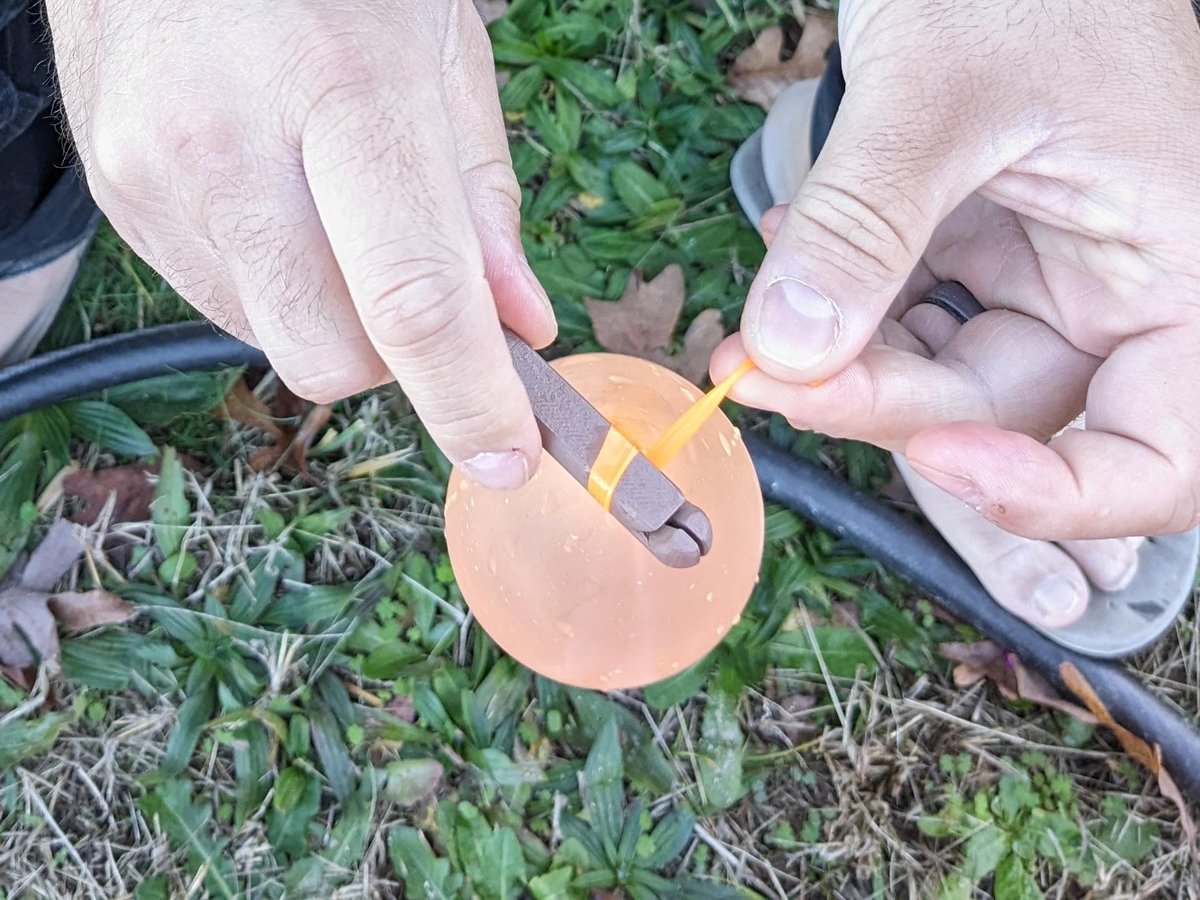
Ever struggled with tying balloons, only to have your fingers ache, the knot slip, or the balloon pop prematurely? If you’ve invested in a balloon tying tool, you know it’s a game-changer – a small gadget that promises to save your fingers, your time, and your sanity. But like any good assistant, these tools perform best when they’re well-cared for. Overlooking simple Balloon Tying Tool Maintenance & Care can quickly turn your trusty knotting aid into a source of frustration, leading to ineffective knots, damaged balloons, and wasted effort.
Think of it this way: your balloon tying tool is an extension of your creative process. Whether you're a professional decorator, an event planner, or a parent prepping for a birthday bash, a well-maintained tool ensures every knot is as perfect as the last, allowing you to focus on the fun, not the struggle.
At a Glance: Key Takeaways for Tool Longevity
- Clean After Every Use: A quick wipe prevents latex residue and oils from building up.
- Deep Clean Periodically: Use mild soap and water for thorough grime removal, especially for plastic tools.
- Store Safely: Protect your tool from damage, excessive heat, and direct sunlight.
- Inspect Regularly: Look for cracks, wear, or deformities that could hinder performance.
- Know When to Replace: Don't let a worn-out tool cause frustration or burst balloons.
- Use Tools as Intended: Avoid over-stretching balloons or forcing knots that don't fit the tool's design.
Why Your Tying Tool Deserves Attention
Balloon tying tools come in various designs, but their core purpose remains the same: to make the often fiddly process of knotting balloons faster, easier, and gentler on your hands. The most common varieties include:
- The Classic Ring-and-Nose Tool: Often a simple, ergonomic plastic gadget, you wear it on your fingers, using its "nose" or hook to wrap and secure the balloon neck. Its compact design is a favorite for preventing cuts, blisters, and tangled strings.
- Lever- or Slot-Action Instruments: These tools often feature a slot or opening where you insert the balloon neck, and then a lever or handle mechanism ties the balloon with a simple pull or squeeze. They're typically designed for specific balloon sizes.
Regardless of its mechanism, a well-cared-for tool maintains its ergonomic grip, its smooth surfaces, and its precise knotting ability. This translates to fewer failed knots, less strain on your hands, and a professional finish every time. For a deeper dive into choosing the right knotting aid for your needs, be sure to check out Your guide to balloon tying tools.
The Silent Saboteurs: What Degrades Your Tool Over Time
Even the most robust plastic tool isn't invincible. Several factors can slowly but surely degrade its performance and lifespan:
1. Residue Buildup: The Invisible Grime
Every time you tie a balloon, your tool comes into contact with various substances.
- Latex & Foil Residue: Balloons, especially latex ones, can leave behind microscopic particles or a slightly sticky film on your tool's surfaces. This buildup, though initially imperceptible, can accumulate, making the tool less smooth and causing friction where it shouldn't be. Over time, this stickiness can lead to balloons getting caught, tearing, or simply not sliding off the tool cleanly.
- Skin Oils & Dirt: Our hands naturally transfer oils, dirt, and even lotion to the tool. This creates a thin, greasy layer that can impact grip, both for your fingers on the tool and for the balloon material on the tool's tying surface. A slippery tool is a frustrating tool.
- Ribbon Fibers: If you frequently tie balloons with ribbon—a common technique where you secure the ribbon within the balloon's knot—tiny ribbon fibers can snag and collect in any small crevices or textured areas of the tool. This can create rough spots that abrade balloons or hinder smooth operation.
2. Wear and Tear: The Force of Friction
Your balloon tying tool is designed for repeated use, but friction is an unavoidable force.
- Abrasive Surfaces: The very act of stretching and wrapping a balloon around the tool's "nose" or pulling it through a slot creates friction. Over hundreds or thousands of ties, this constant rubbing can gradually wear down the plastic, potentially creating rough edges or flattening essential curves that are vital for a perfect knot.
- Stress Points: Areas where the balloon neck is stretched tautest, or where the tool is regularly flexed (such as the ring for your fingers), are stress points. Minor cracks can develop over time, especially if the tool is made of lower-quality plastic or dropped frequently.
- Deformation: Consistent pressure or improper storage (like leaving it under heavy objects) can cause the tool to warp or deform, altering its shape and making it less effective, if not entirely useless.
3. Environmental Factors: The Elements at Play
- UV Light & Heat: Leaving your plastic tool in direct sunlight or a hot car can cause the plastic to become brittle, discolored, and more prone to cracking. Excessive heat can also lead to subtle warping, changing the precise dimensions needed for effective knotting.
- Extreme Cold: While less common, very low temperatures can also make some plastics more rigid and fragile, increasing the risk of breakage if the tool is used or handled roughly while cold.
By understanding these common culprits, you can implement effective maintenance strategies that will significantly extend your tool's life and keep your balloon decorating endeavors running smoothly.
The Basics of Everyday Care: Your Post-Knot Routine
Just a few moments after each use can make a world of difference for your balloon tying tool. This isn't about deep cleaning, but rather about preventing the accumulation of grime that leads to bigger problems.
1. A Quick Wipe-Down
After you’ve tied your last balloon, take a moment to wipe down your tool. A simple, slightly damp cloth (microfiber works great) is usually all you need. Focus on the areas that come into direct contact with the balloon and your hands – the "nose," any slots, and the finger rings. This removes most of the fresh latex residue, ribbon fibers, and skin oils before they have a chance to dry and adhere firmly.
2. Visual Inspection for Early Warnings
While wiping, give your tool a quick once-over. Are there any visible cracks starting to form, especially around the finger holes or the tying mechanism? Do the edges feel rough where they should be smooth? Is there any noticeable deformation? Catching these issues early can sometimes prevent further damage or alert you that it's time to consider a replacement before it fails in the middle of a big project.
Periodic Deep Cleaning: When & How to Refresh
Even with diligent daily wiping, some residue will inevitably build up. That's where periodic deep cleaning comes in. How often you do this depends on your usage: if you're tying hundreds of balloons regularly, you might do it weekly; for occasional use, monthly or quarterly might suffice.
1. The Gentle Soap & Water Bath
For most plastic balloon tying tools, a simple bath is best:
- Prepare a mild solution: Fill a small bowl with lukewarm water and add a drop or two of mild dish soap. Avoid harsh chemical cleaners or abrasive soaps, as these can damage the plastic or leave residues that are detrimental to balloon material.
- Soak (Optional, but effective): If your tool has significant sticky buildup, a short soak (5-10 minutes) in the soapy water can help loosen grime.
- Scrub Gently: Using a soft cloth, an old toothbrush, or a cotton swab (for tight crevices), gently scrub all surfaces of the tool. Pay special attention to the tying mechanism, the finger holes, and any textured areas. For tools with small slots or levers, ensure no debris is lodged inside.
- Rinse Thoroughly: Hold the tool under cool, running water to rinse away all soap residue. Any leftover soap can leave a film that makes future ties slippery or even react with latex.
2. Drying to Perfection
- Air Dry or Pat Dry: After rinsing, you can either let your tool air dry completely on a clean surface or gently pat it dry with a lint-free cloth. Ensure it’s absolutely dry before storing. Moisture can lead to water spots or, in rare cases for tools with metal components, rust.
Smart Storage Solutions: Protecting Your Investment
Where and how you store your balloon tying tool matters. Proper storage protects it from physical damage and environmental stressors, ensuring it’s ready when you are.
1. Guard Against the Elements
- Avoid Direct Sunlight and Heat: Never leave your tool on a sunny windowsill, in a hot car, or near a heat vent. As mentioned, prolonged exposure to UV rays and high temperatures can cause plastic to become brittle, discolored, or warp.
- Maintain Moderate Temperatures: Store your tool in a cool, dry place away from extreme temperature fluctuations.
2. Prevent Physical Damage
- Designated Space: Give your tool its own home – a specific drawer, a small box, or a compartment in your crafting kit. This prevents it from getting lost, crushed, or scratched by other items.
- Away from Sharp Objects: Ensure it's not stored with scissors, knives, or other sharp tools that could scratch or gouge the plastic, creating rough spots that might damage balloons.
- No Heavy Objects: Don't store it underneath heavy items that could deform or crack the plastic.
Troubleshooting Common Tool Glitches
Even with the best care, sometimes things go awry. Here’s how to diagnose and address common issues with your balloon tying tool:
- Problem: Knots are Slippery or Don't Hold Tight.
- Cause: Often, this is due to residue (oils, latex film) on the tool's tying surface, making it too smooth for the balloon to grip. It could also be that the balloon itself is too heavily powdered or slick.
- Fix: Give your tool a thorough deep clean. If the problem persists, try using a slightly damp cloth on the balloon neck just before tying, as professional balloon artist Ahzahdeh Neshat suggests a little water can make a difficult knot more slippery in a good way, helping it cinch down.
- Problem: Difficulty Sliding the Balloon Off the Tool.
- Cause: Again, residue buildup is a prime suspect, creating friction. Worn-down areas on the tool that should be smooth might also be contributing.
- Fix: Clean the tool. Inspect the "nose" or tying mechanism closely for any nicks, burrs, or rough spots that might be catching the balloon. If you find any, and it’s a plastic tool, you might very carefully and lightly smooth them with ultra-fine grit sandpaper (600+ grit), but proceed with extreme caution as you can easily make it worse.
- Problem: Balloons Popping While Tying.
- Cause: This could be a few things: The balloon might be over-inflated, the tool might have a sharp edge or burr, or the balloon's neck might be too small or too large for the specific tool. For lever-type instruments, pulling the lever too hard can also cause breakage.
- Fix: Check your balloon inflation – don't stretch it to its absolute maximum before tying. Inspect your tool for any sharp points that have developed from wear; if found, a new tool might be necessary. Also, ensure the balloon is the correct size for the instrument; if it's too small it won't tie correctly, and if it's too large it might not fit or pop.
- Problem: The Tool Feels "Stiff" (for lever/slot types).
- Cause: Dirt or debris might be lodged in the mechanism, or the moving parts might need a tiny bit of lubrication if they are metal (though most are plastic).
- Fix: Clean thoroughly, especially around the pivot points or moving parts. If plastic, ensure nothing is obstructing movement. If there are metal parts, a very small drop of a silicone-based lubricant (avoid oil-based ones which can attract dirt or react with plastic) might help, but this is rarely necessary for standard balloon tying tools.
Knowing When It's Time to Say Goodbye
Even the best maintenance can't make a tool last forever. Recognizing the signs of an aging or damaged tool will save you frustration and wasted balloons.
- Visible Cracks or Fractures: Especially around stress points like finger holes or the main tying mechanism. A cracked tool can break unexpectedly, causing injuries or making tying impossible.
- Excessive Wear on Tying Surfaces: If the "nose" of your ring-and-nose tool or the edges of a slot in a lever-type tool are visibly flattened, grooved, or have developed significant rough patches, it's likely compromising your knot quality and could damage balloons.
- Deformation or Warping: If the tool is no longer its original shape, it won't function correctly. This often happens from heat exposure or being crushed.
- Loss of Ergonomic Fit: If the tool no longer sits comfortably or securely on your fingers (for ring-and-nose types), or the lever action feels off, it might be too worn to be effective or safe.
A small investment in a new tool is often far less expensive than the frustration of broken balloons, wasted time, and subpar results from trying to make a faulty tool work.
Expert Insights & Pro Tips for Balloon Tying Success
Beyond tool care, a few professional tips can elevate your balloon-tying game:
- Tying Multiple Balloons Together: Professional balloon artist Ahzahdeh Neshat suggests a clever trick: "take the two ends together, twisting them around each other like shoelaces, and then tying a knot." This creates a secure bond for balloon clusters.
- Untying Without Popping: Sometimes you need to adjust or untie a balloon without destroying it. Neshat recommends "using the end of a knitting needle to work into the knot and loosen it without popping the balloon." This gentle approach saves balloons and allows for re-dos.
- Balloon Size Matters: As the ground truth highlights, "Ensure the balloon is the correct size for the instrument; if it's too small it won't tie correctly, and if it's too large it might not fit." Always match your balloon size to your tool's design for optimal results.
- Don't Overdo It: For lever-type tools, avoid excessive force. "Do not pull the lever too hard, as it may break the balloon." Gentle but firm action is usually all that's needed.
By integrating these tips with consistent tool maintenance, you'll not only extend the life of your equipment but also enhance the quality and ease of your balloon work.
Your Tool, Your Art: A Call to Action for Longevity
Your balloon tying tool is a small but mighty ally in creating memorable decorations and joyful moments. Just a little attention to Balloon Tying Tool Maintenance & Care can transform your experience from a struggle to a seamless process. A clean, well-maintained tool performs reliably, protects your hands, and ensures every balloon knot is perfectly secure.
So, next time you put away your tool, take those few extra seconds to wipe it down, inspect it, and store it safely. It's a small habit that pays dividends in comfort, efficiency, and the sheer satisfaction of effortless balloon tying. Treat your tool well, and it will serve your creative endeavors for countless celebrations to come.